
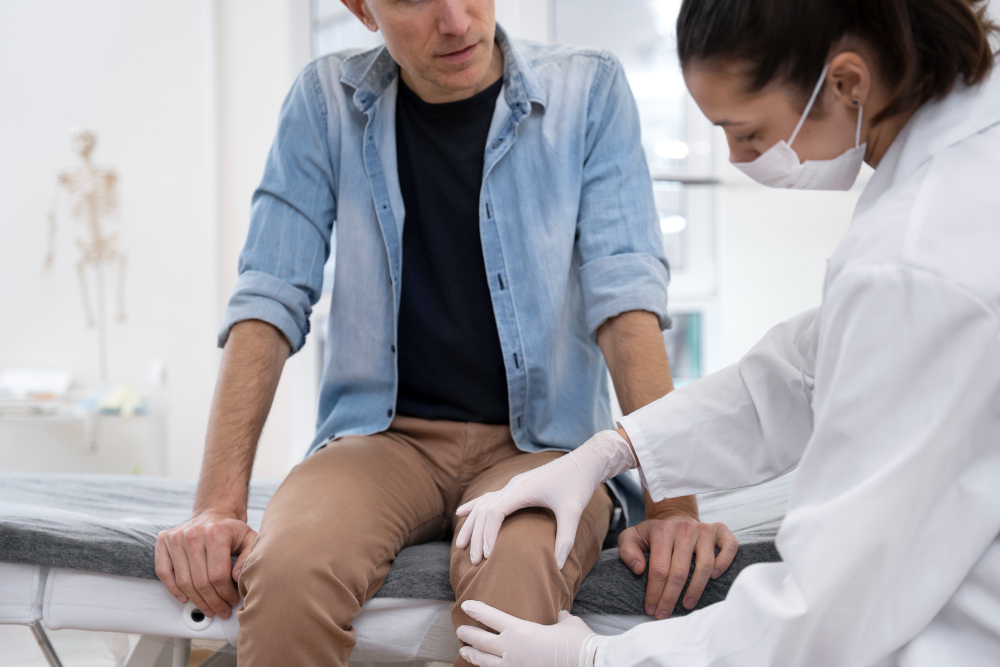
Knee osteoarthritis is a common joint problem that causes pain and stiffness. Many people face this condition as they age. However, physiotherapy is a key way to manage knee osteoarthritis. In fact, it offers knee pain relief and can delay or even prevent the need for knee surgery. This blog explains how physical therapy for knee arthritis works and what you can do to protect your knees.
What Is Knee Osteoarthritis?
Knee osteoarthritis is a type of arthritis that affects the knee joint. It happens when the cartilage, which cushions the bones, wears down over time. As a result, bones may rub together, causing pain and swelling. According to the Centers for Disease Control and Prevention (CDC), millions of adults in the United States have knee osteoarthritis. For many, it can make walking, climbing stairs, or even standing difficult. Because of this, daily life can become challenging.
Common Symptoms of Knee Osteoarthritis
People with knee osteoarthritis often notice several symptoms. For example, you may feel:
Sometimes, these symptoms can come and go. However, they may get worse over time if not managed well.
Causes and Risk Factors
There are several reasons why knee osteoarthritis develops. Most often, it is linked to aging. However, other factors can increase your risk, such as:
Because these factors can add up, it is important to know your risks and take steps to protect your knees.
How Physiotherapy Helps Manage Knee Osteoarthritis
Physiotherapy is a proven way to manage knee osteoarthritis. In many cases, it helps reduce pain, improve movement, and boost strength. For example, physical therapy for knee arthritis often includes exercises that make the muscles around the knee stronger. As a result, the joint gets more support and pain often decreases. According to research in medical journals, regular physiotherapy can delay or even prevent the need for knee surgery. In addition, physiotherapists teach safe ways to move and protect the knee during daily activities. Because of these benefits, physiotherapy is often the first step in non-surgical knee treatment.
Types of Physiotherapy Treatments for Knee Osteoarthritis
There are several physiotherapy treatments that help with knee pain relief. Some common options include:
Because each person is different, physiotherapists create a plan that fits your needs and goals.
Lifestyle Tips to Support Knee Health
Besides physiotherapy, there are simple steps you can take every day to protect your knees. For instance, you can:
Because small changes can make a big difference, these tips help keep your knees strong and flexible.
Prevention and Early Intervention
Preventing knee osteoarthritis or slowing its progress is possible. Early action is key. For example, staying active and keeping your muscles strong can protect your joints. If you notice knee pain or stiffness, talk to a healthcare provider early. They may suggest physical therapy for knee arthritis before symptoms get worse. In addition, managing other health problems, like diabetes or high blood pressure, can help protect your joints. Because early intervention works best, do not wait to seek help if you have knee pain.
Conclusion
If you have knee pain or stiffness, do not wait to get help. Book a consultation with Dr. Karunya to discuss how physiotherapy can support your knee health.